Paris – Cinematheque Francaise

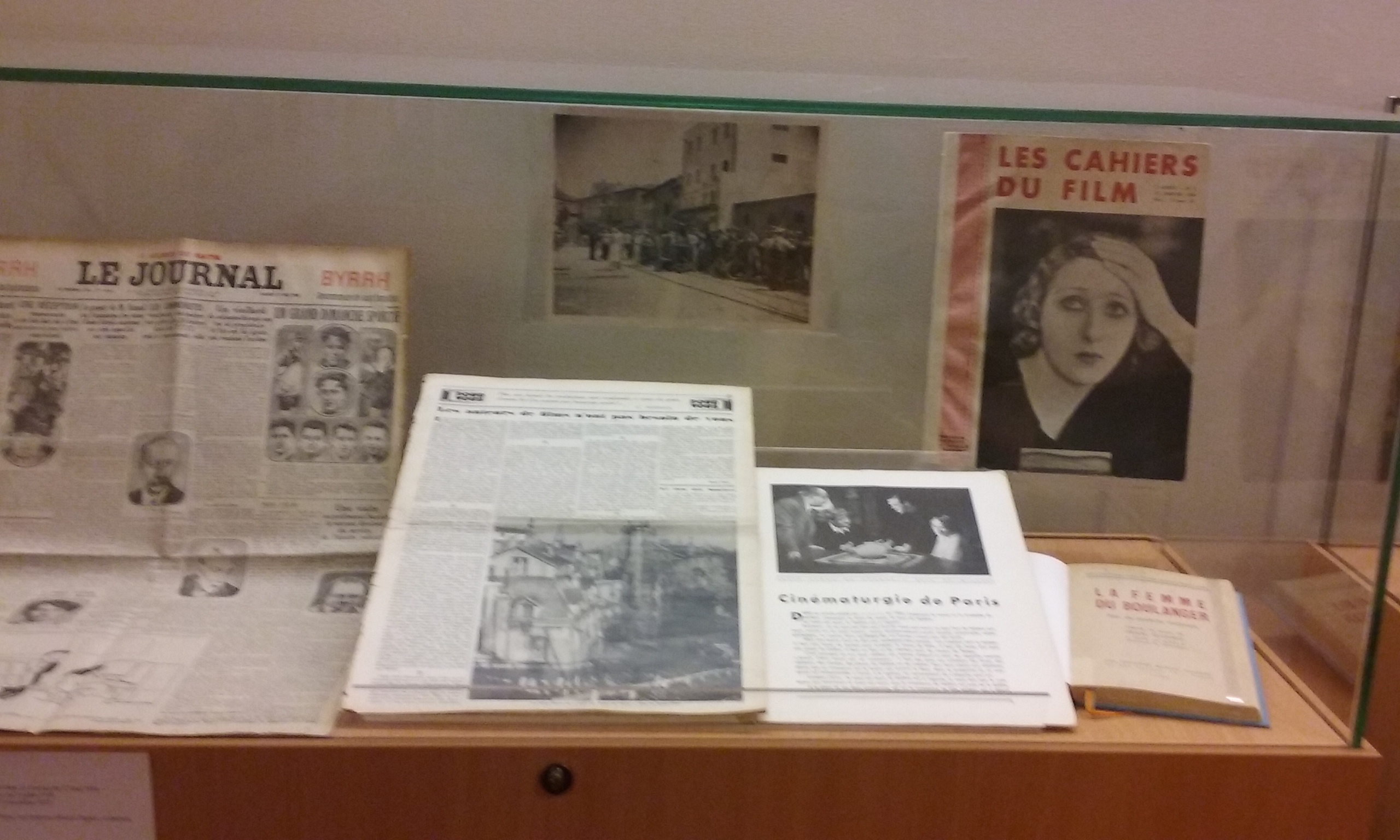
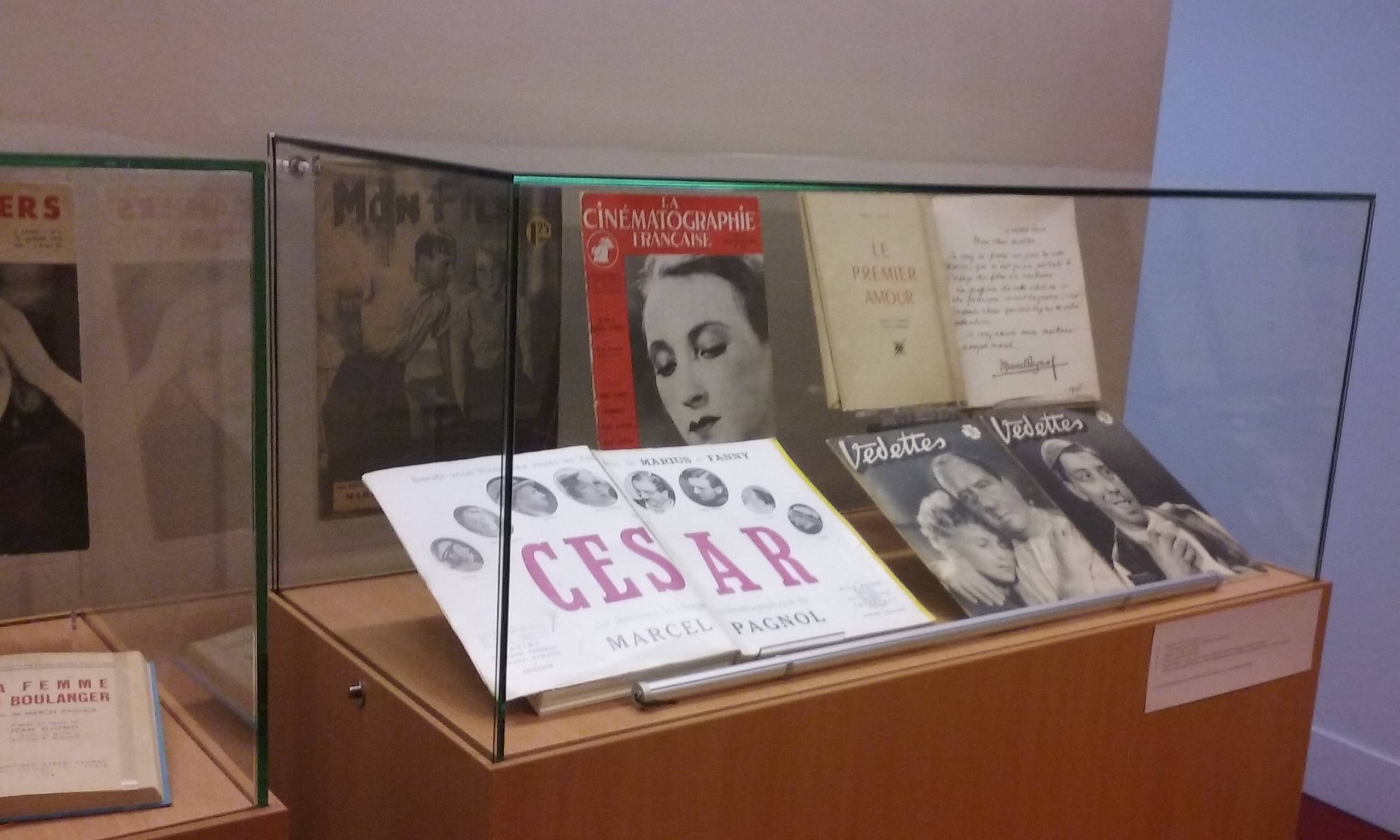
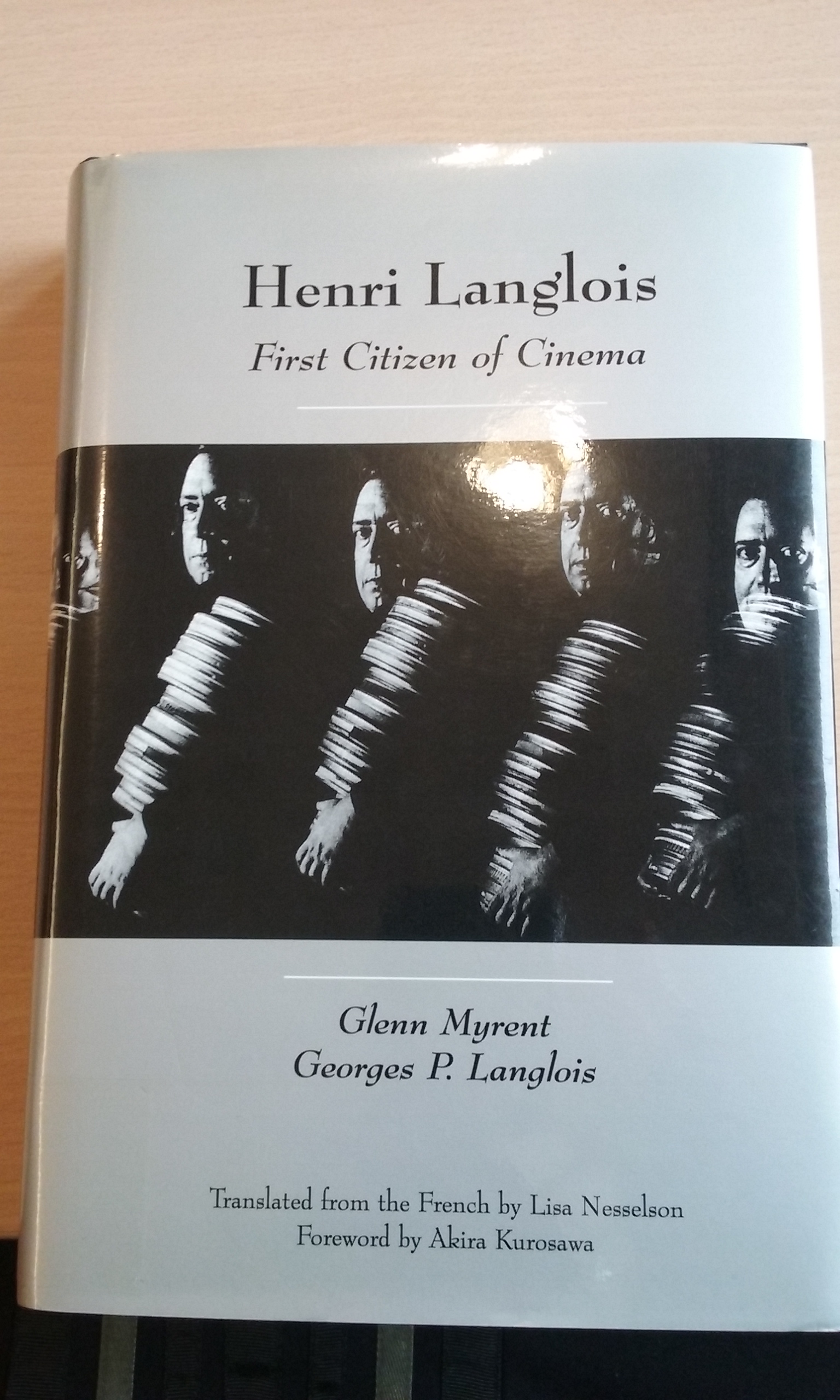
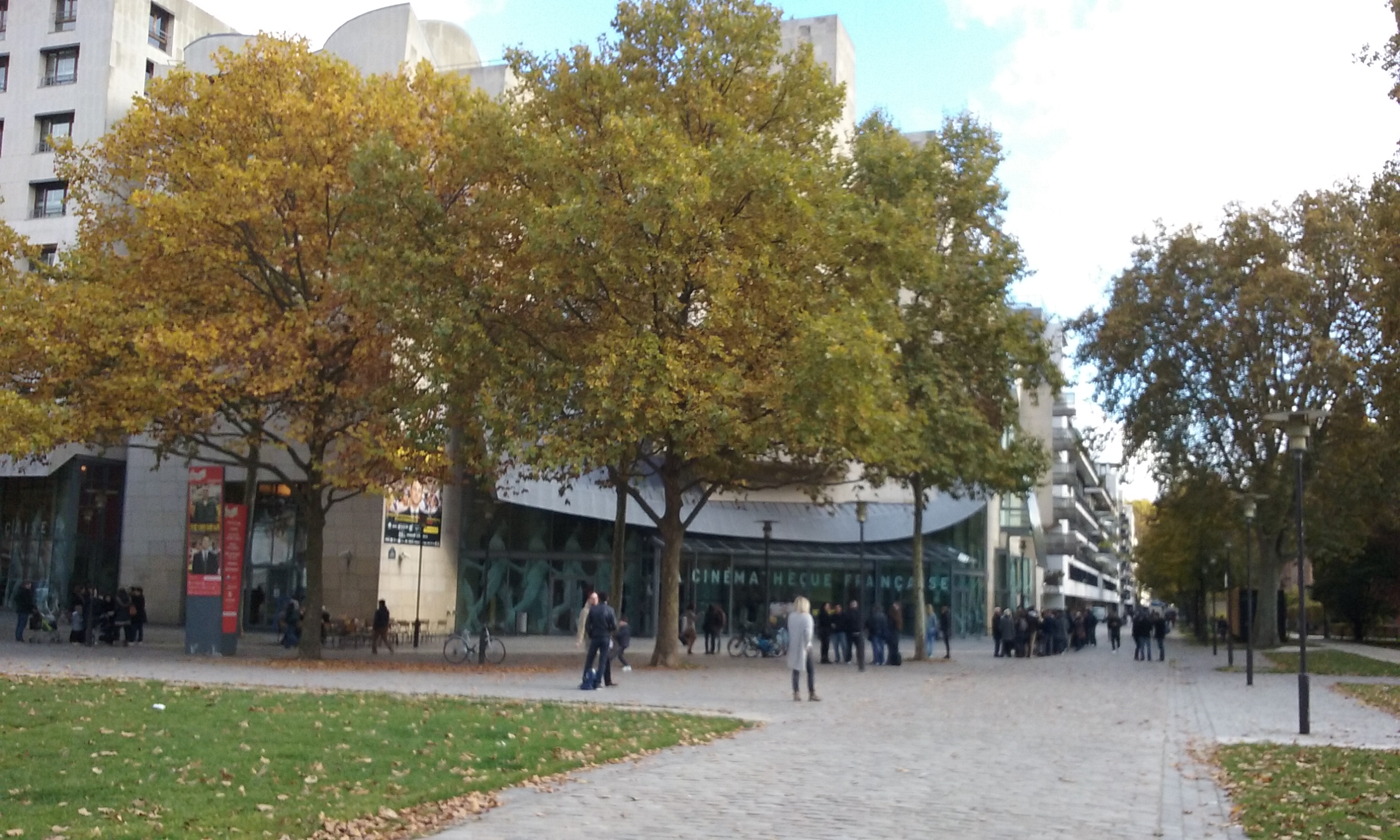
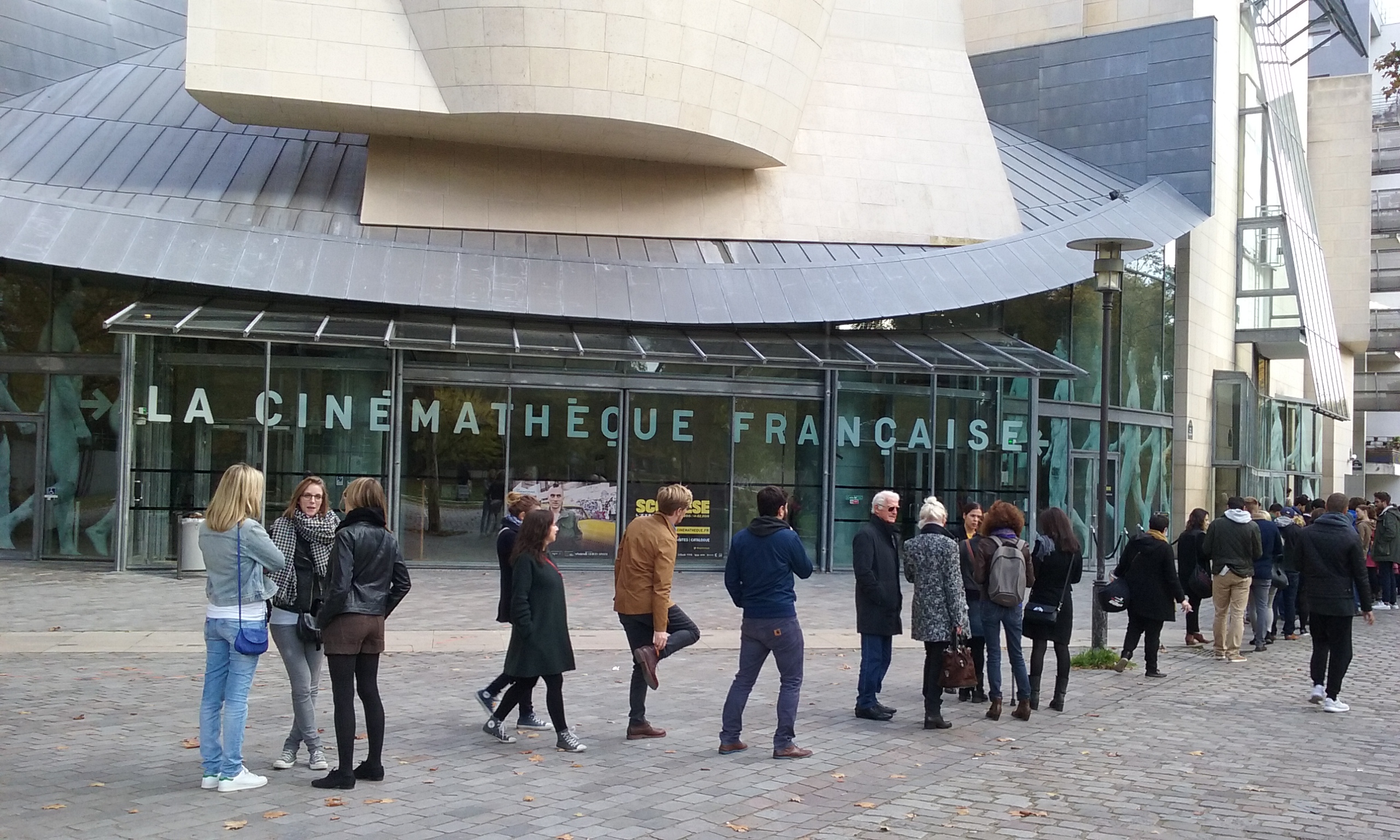
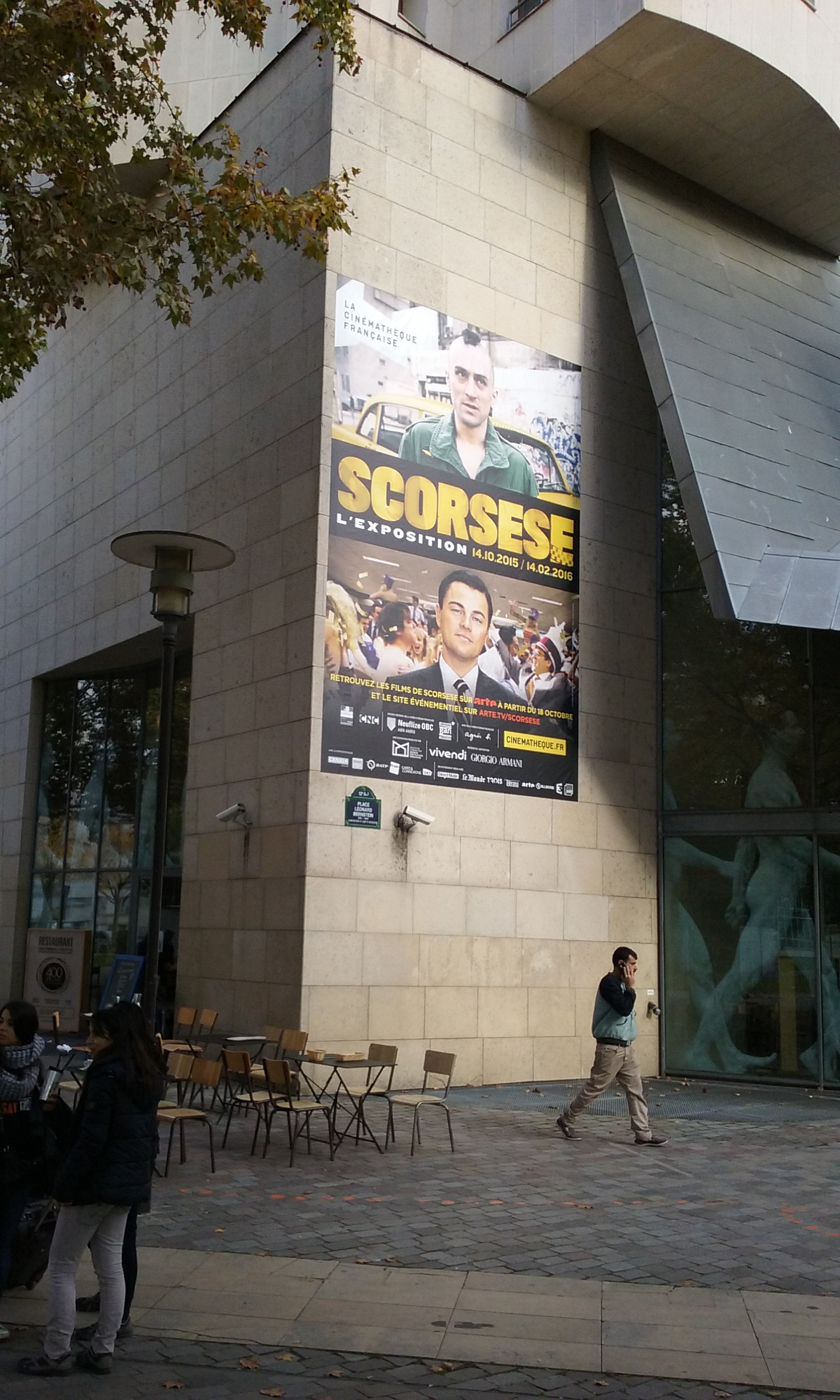
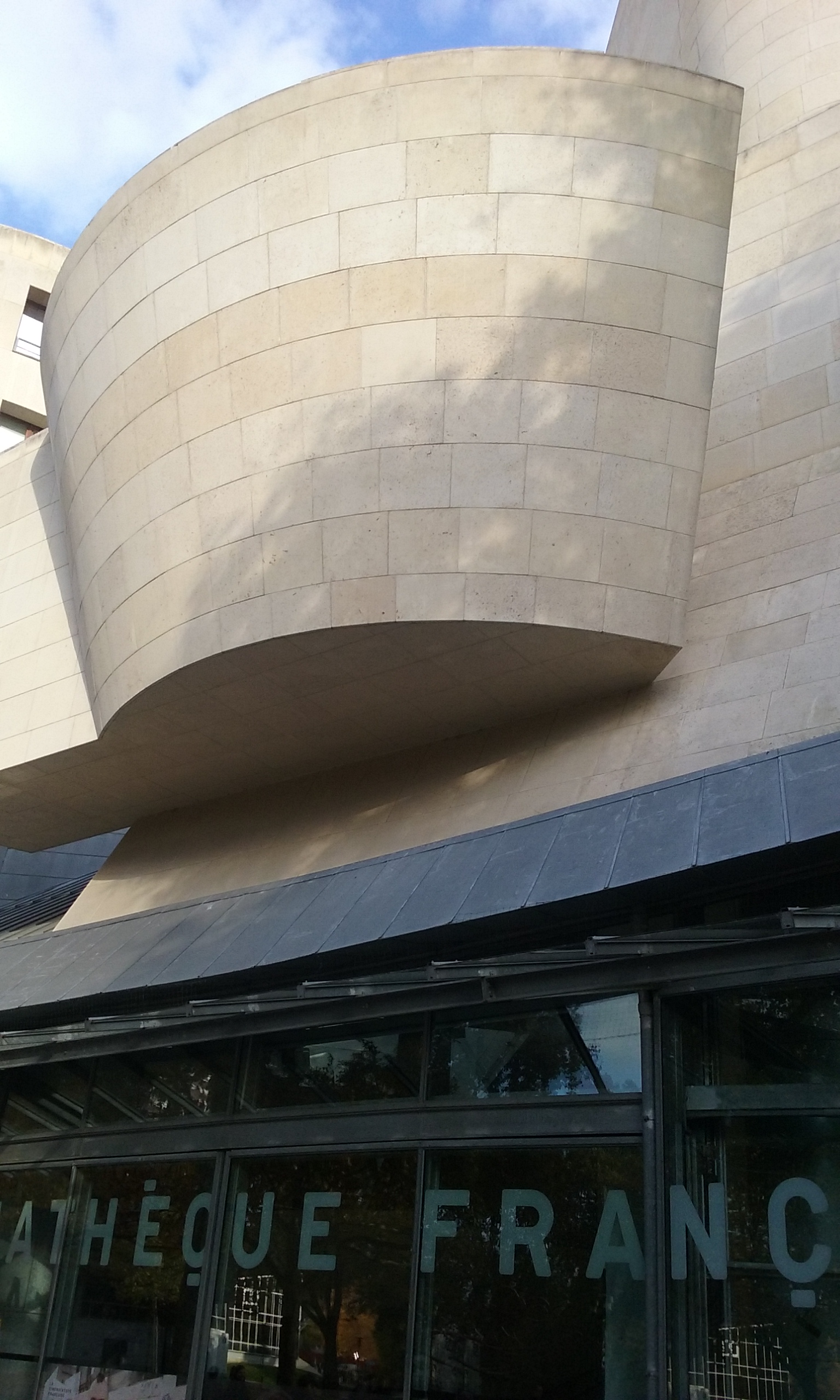
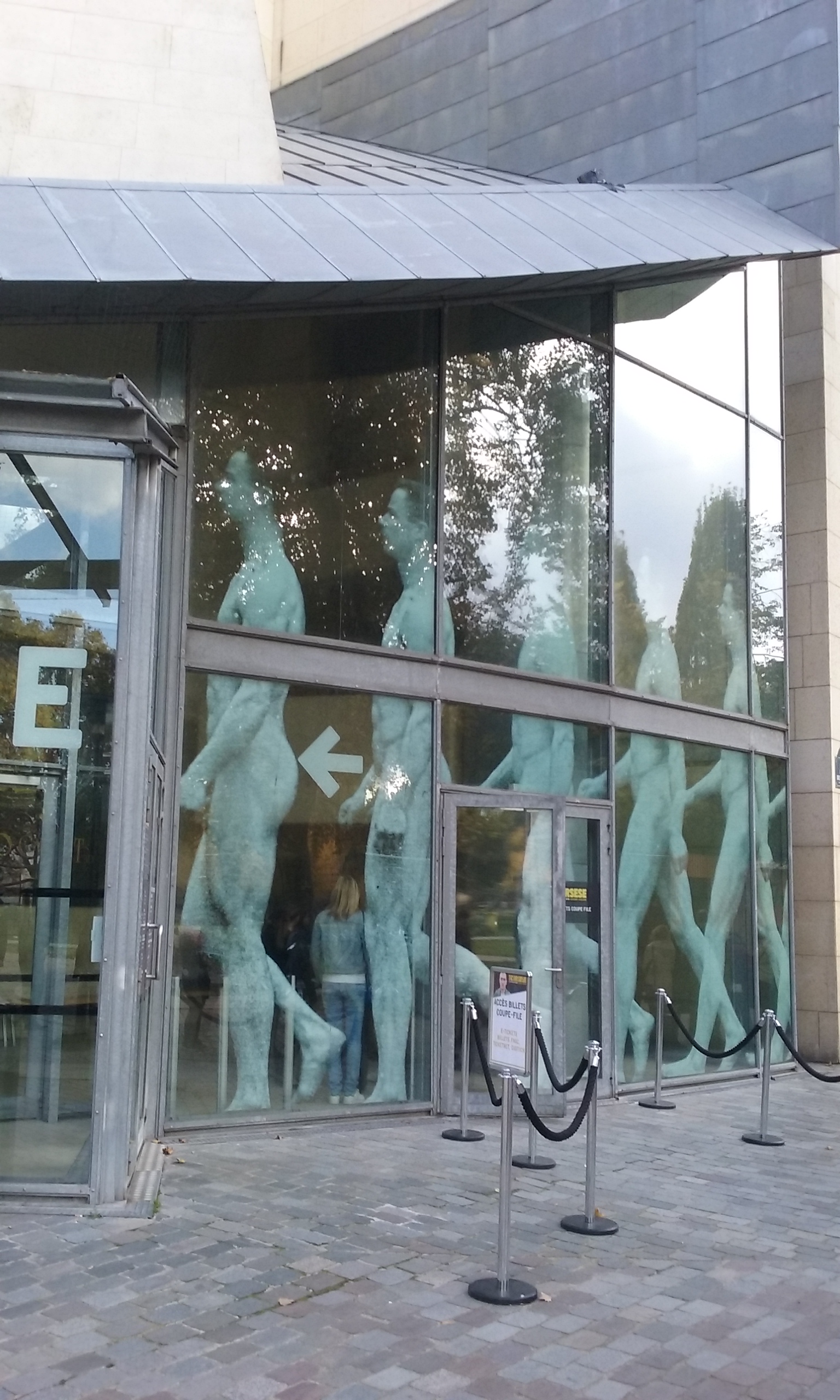
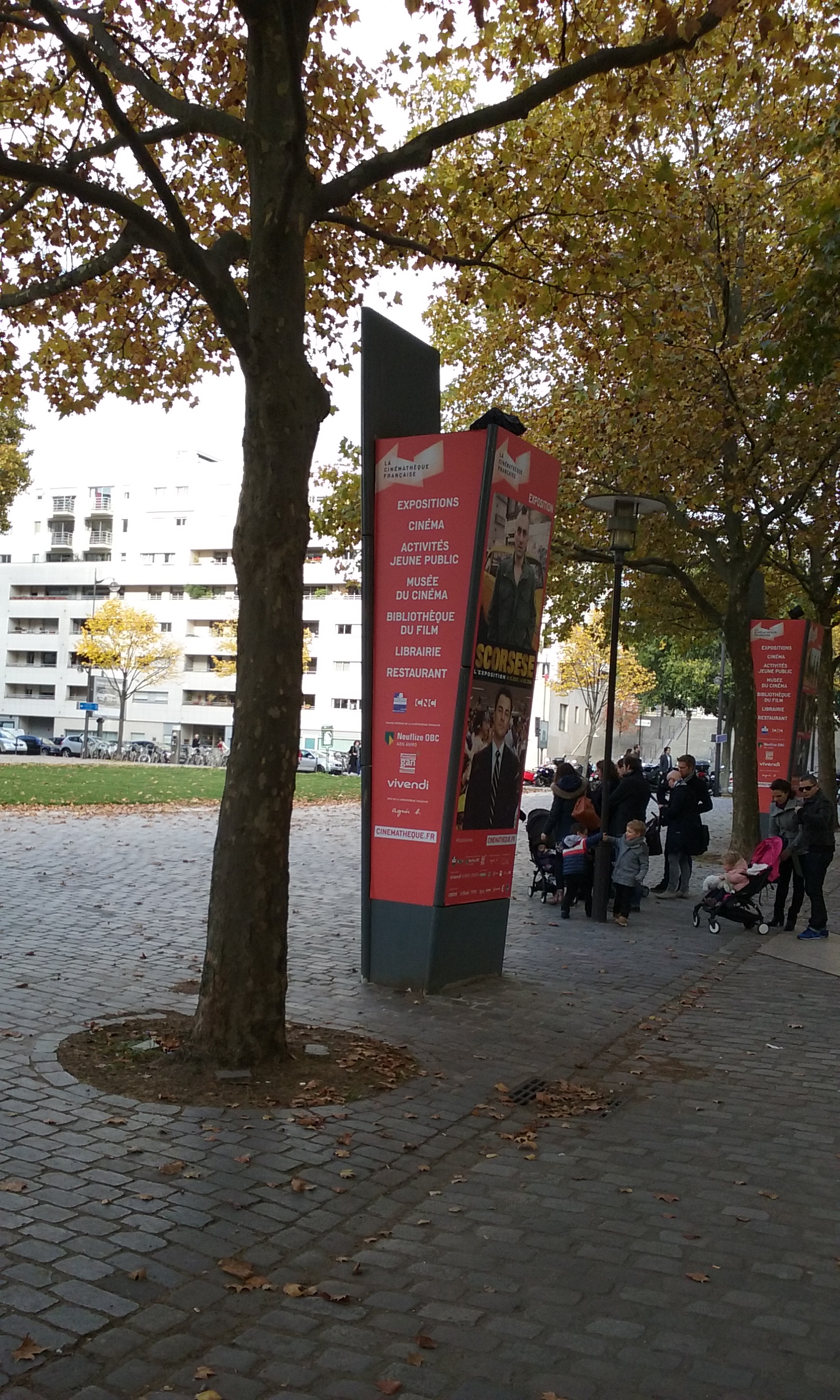
The film archive which was founded first in the world by Henri Langlois. It’s legendary, and a Scorcese exhibition is on when I visit. Needless to say I’m extremely excited. The Library and Bookshop are part of main building as well as a Museum space.

Paris Cinematheque exterior and library Oct 2015 (5) Paris Cinematheque exterior and library Oct 2015 (7) Paris Cinematheque exterior and library Oct 2015 (8) Paris Cinematheque exterior and library Oct 2015 (9) Paris Cinematheque exteriors Oct 2015 (3) Paris Cinematheque exteriors Oct 2015 (4) Paris Cinematheque exteriors Oct 2015 (5) Paris Cinematheque exteriors Oct 2015 (7) Paris Cinematheque exteriors Oct 2015 (8) Paris Cinematheque exteriors Oct 2015 (9)

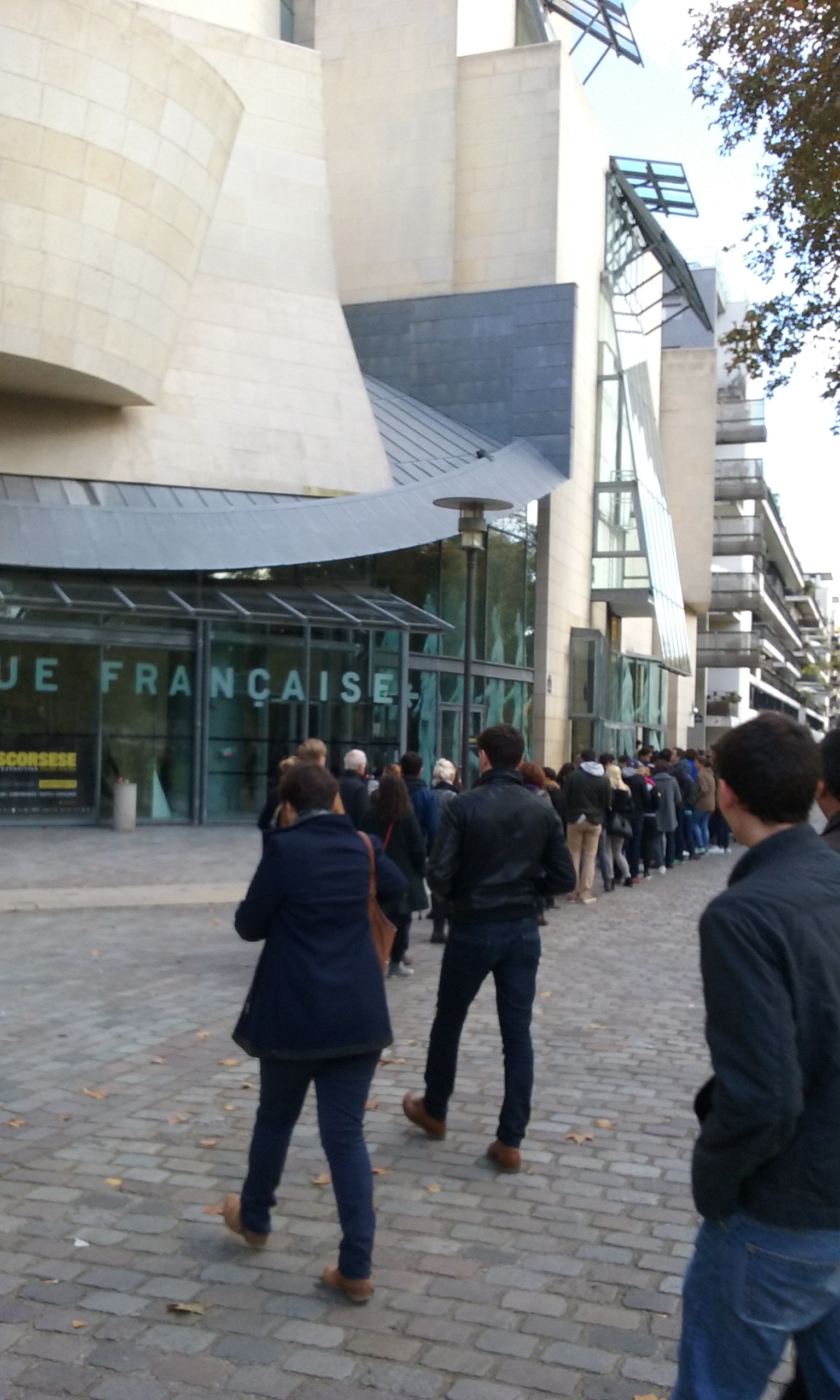
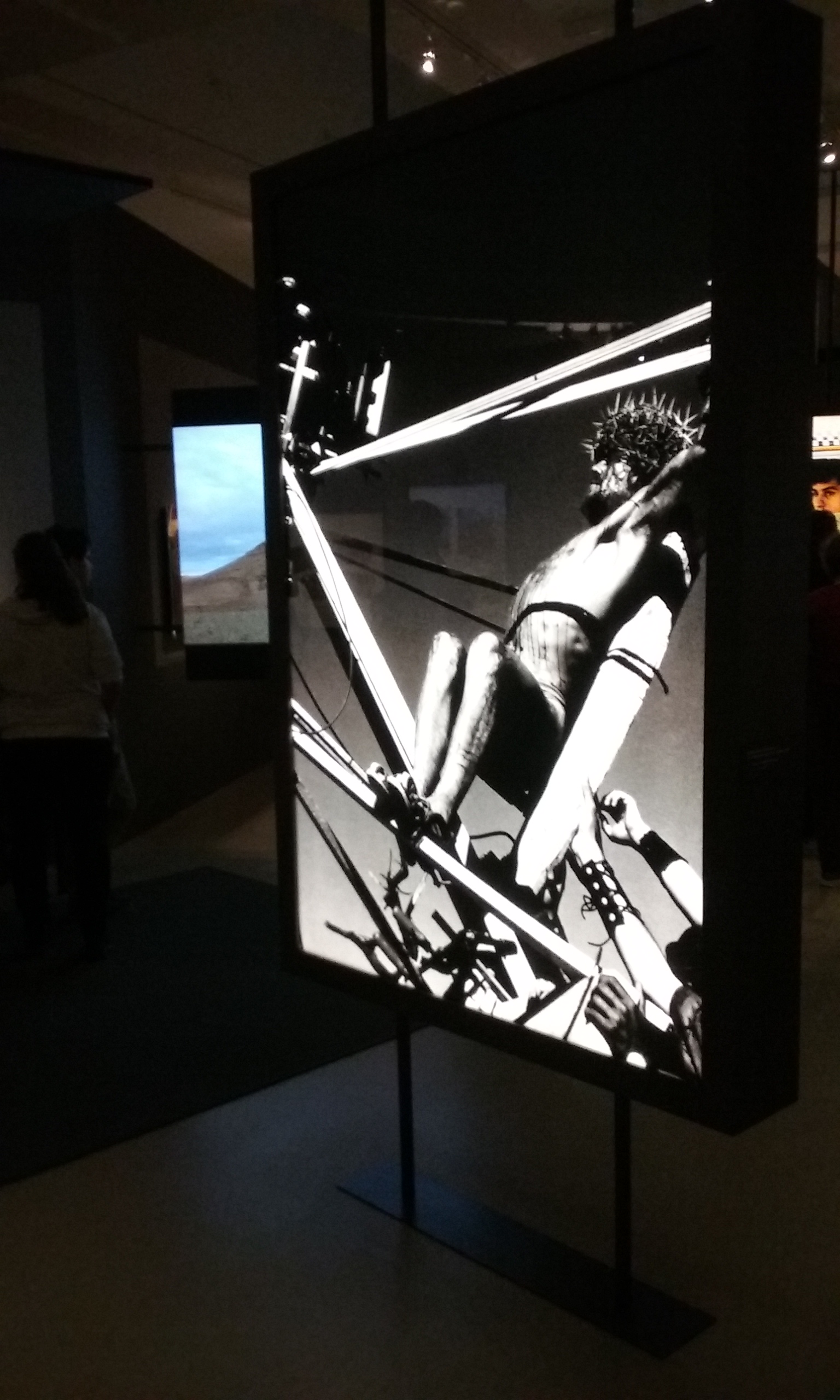
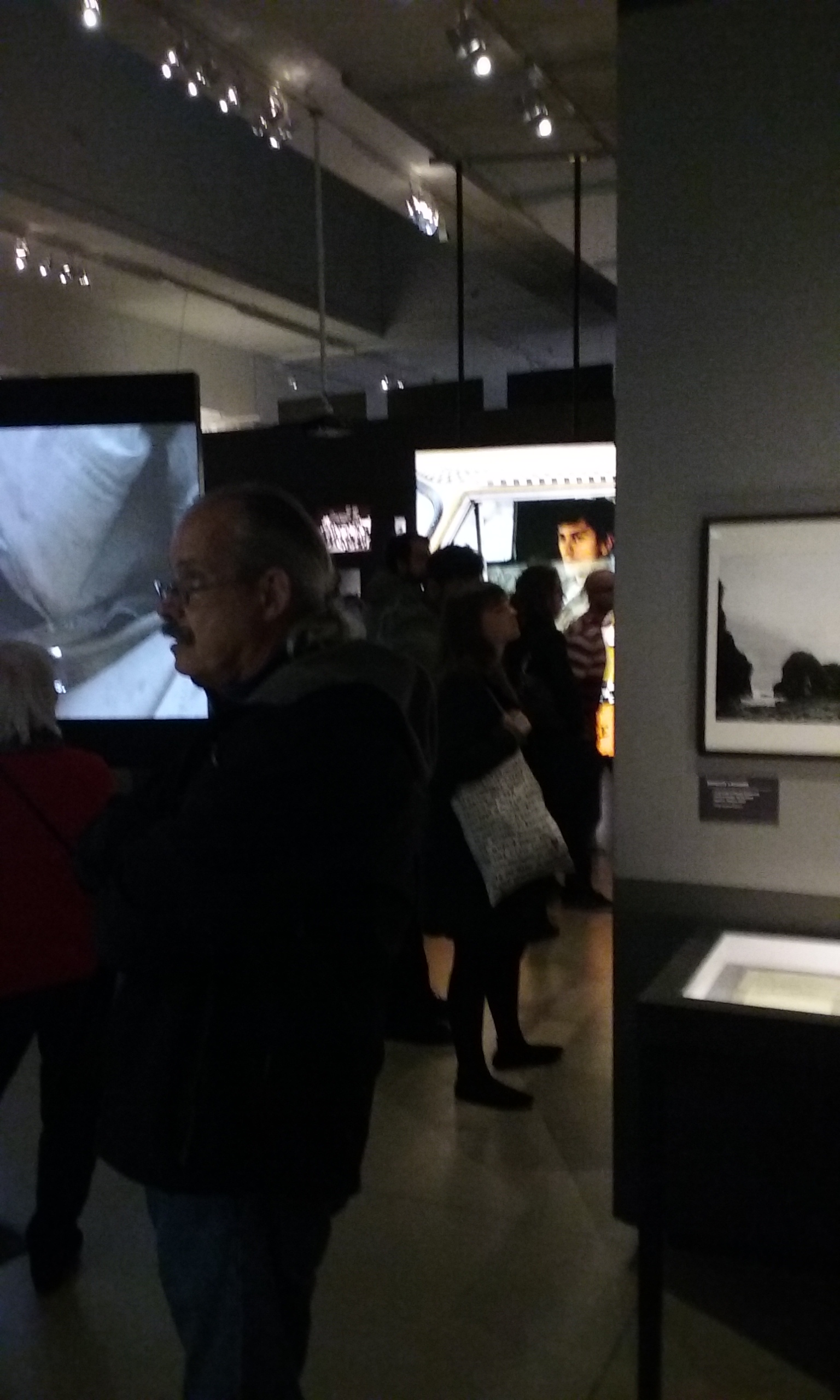
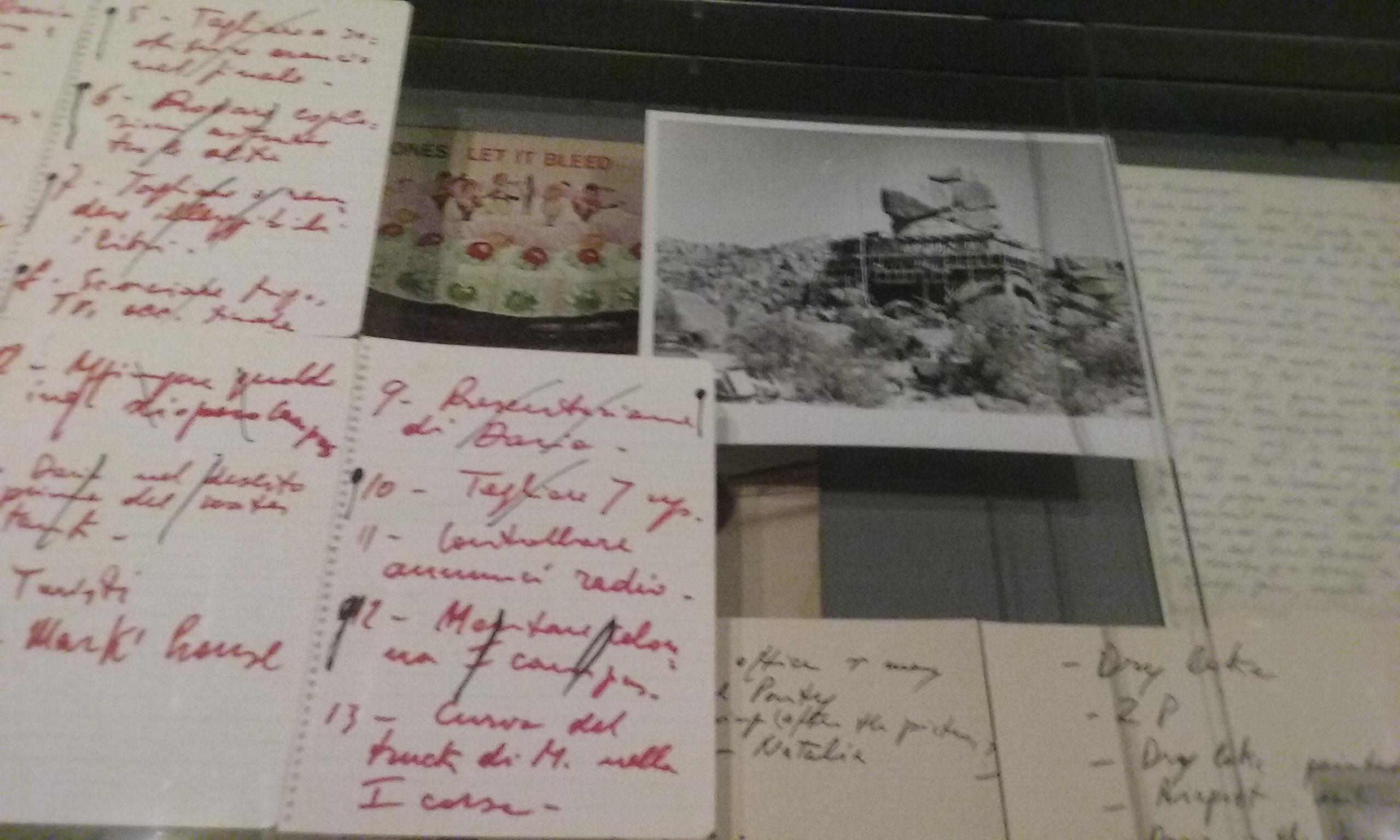
The Scorcese exhibition was absolutely packed with people. Very impressive. It was incredible to see how people were fascinated by cinema in Paris. The Sunday afternoon commercial cinema I passed had a queue running down the road!

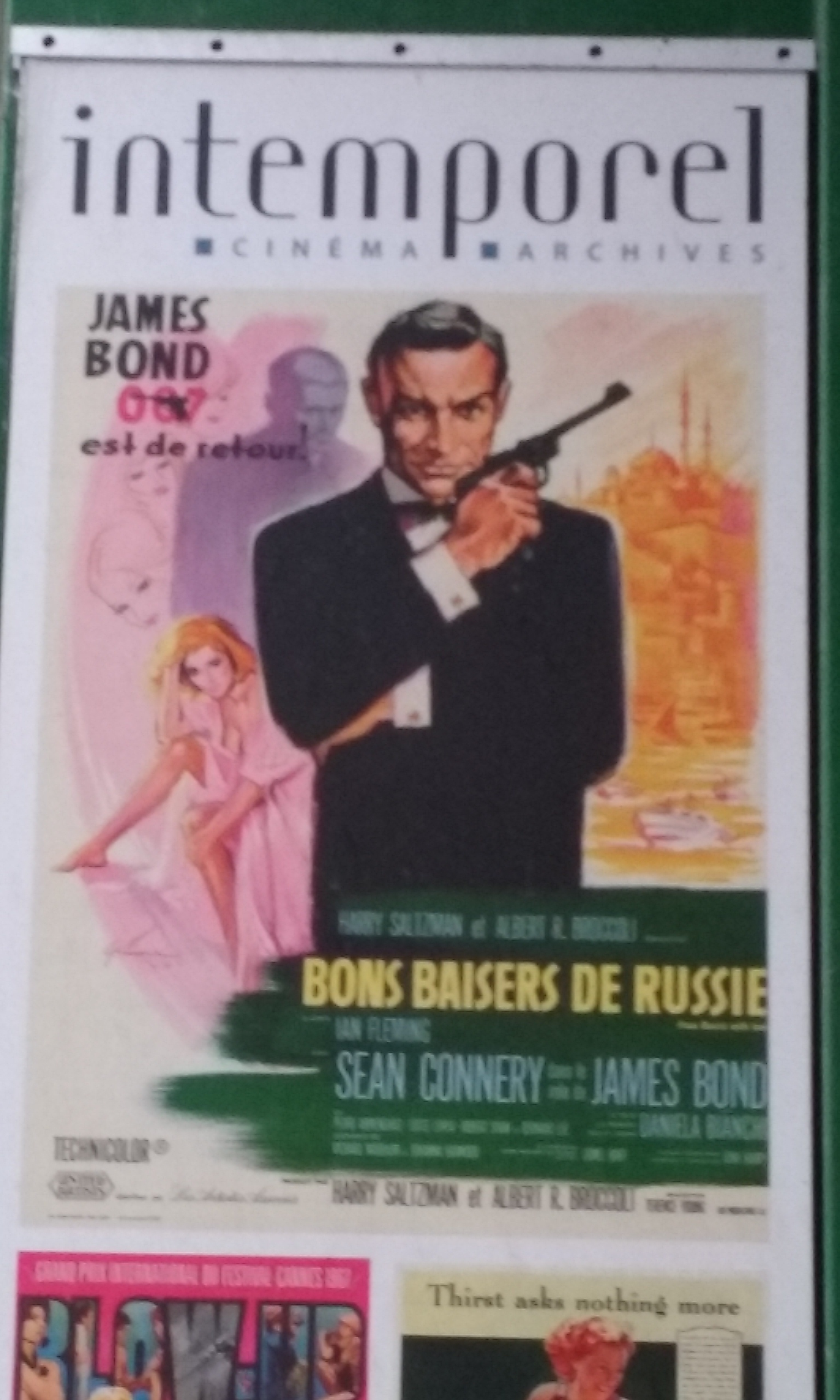
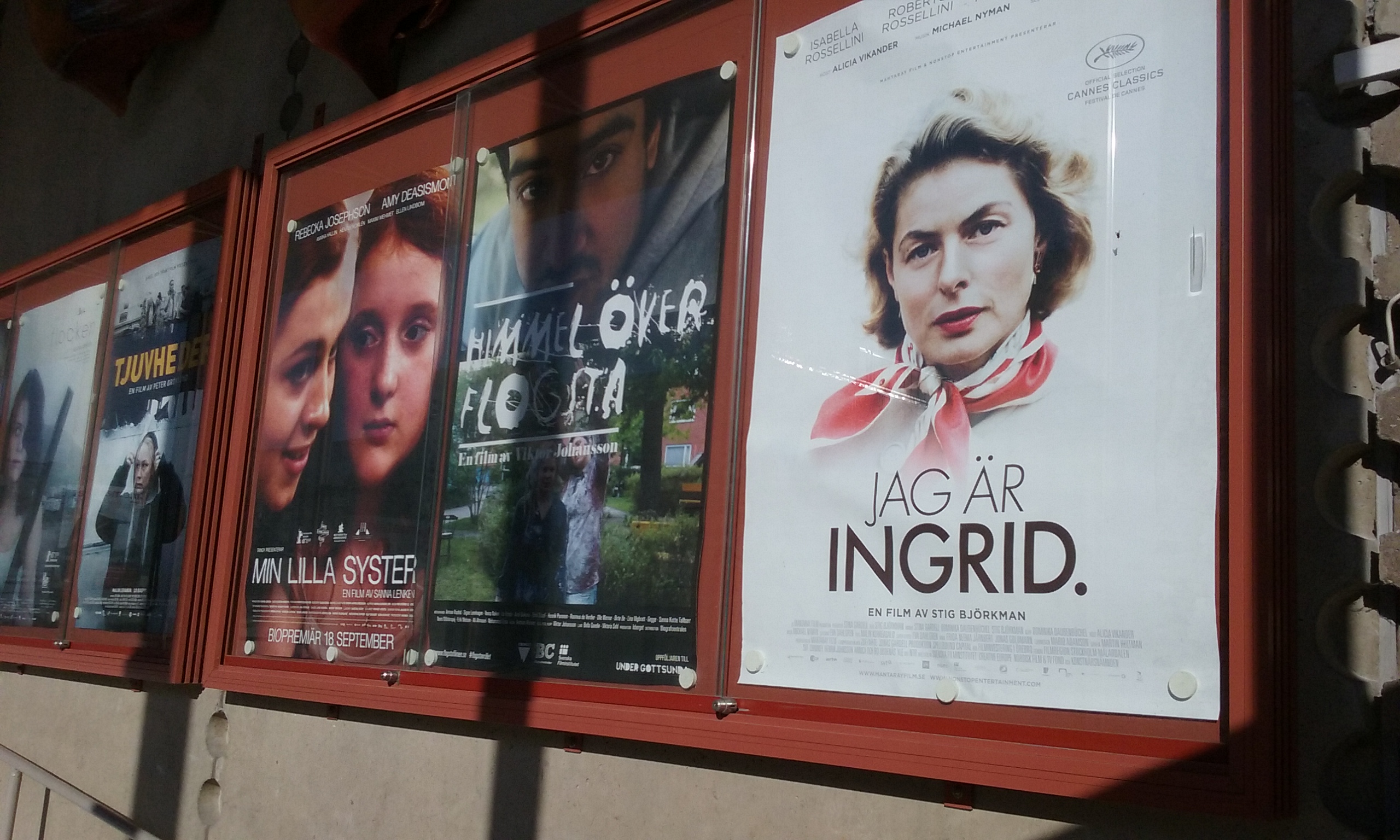
Paris Cinematheque exteriors Oct 2015 (6) Paris Cinematheque Scorcese exhibition Oct 2015 (2) Paris Cinematheque Scorcese exhibition Oct 2015 (6) Paris film posters in street Oct 2015 (1) Paris film posters in street Oct 2015 (2) Paris film posters in street Oct 2015 (3)

Brussels – Cinematheque Royale

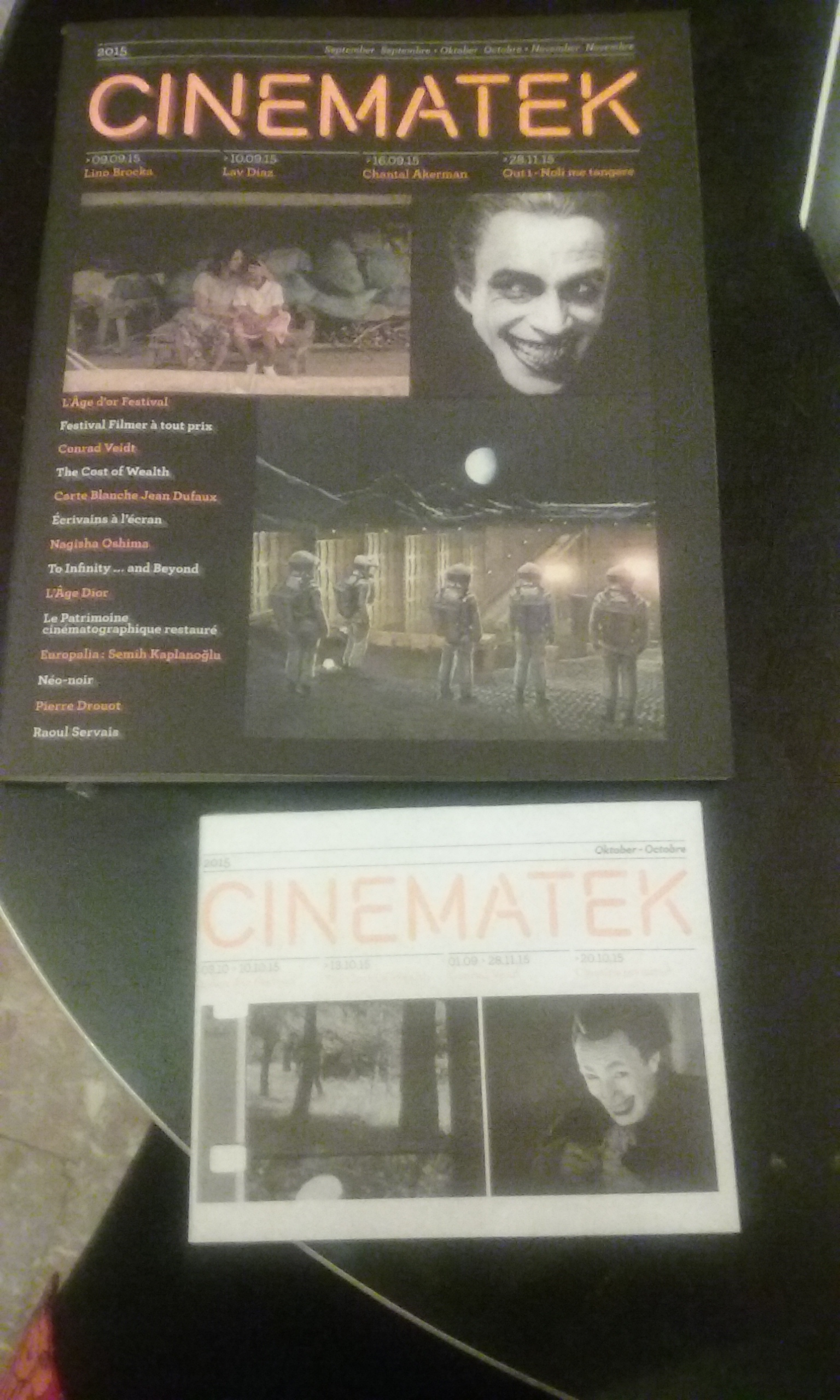
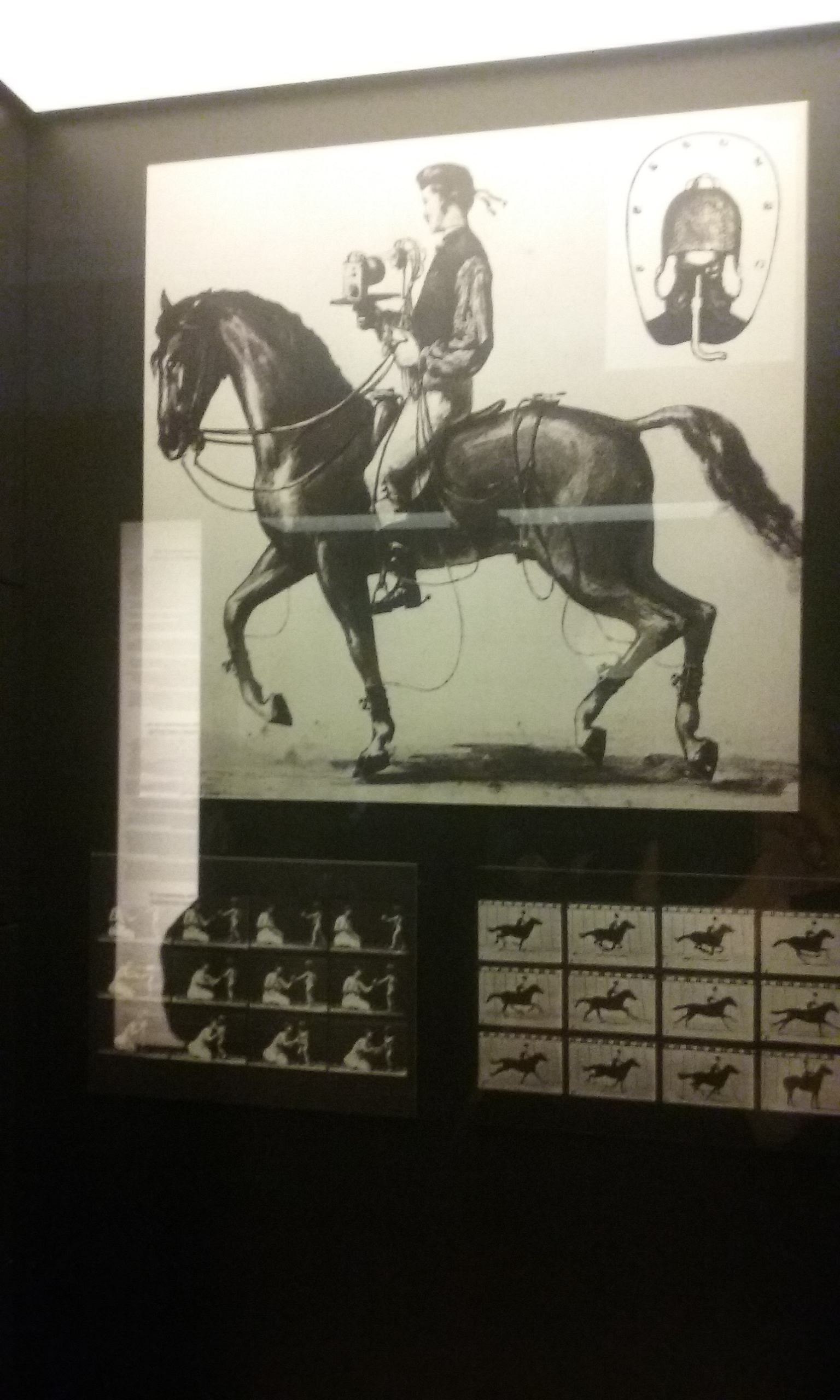
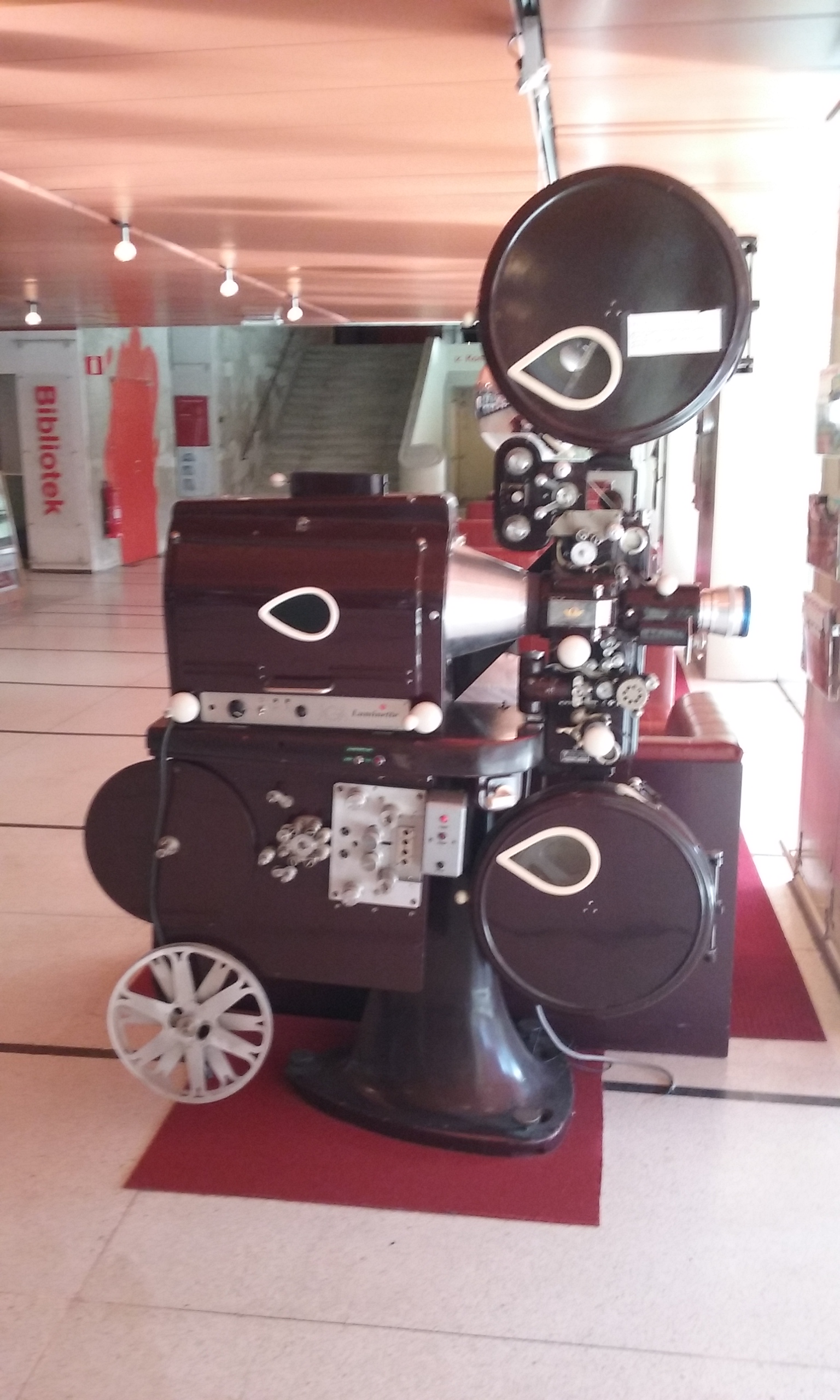
The Cinematheque Royale at Brussels in Belgium has always had a serious focus on silent cinema and regularly plays films with live accompaniment. The Wunderkammer exhibition of early cinematography at the Cinematek exhibition space is great.

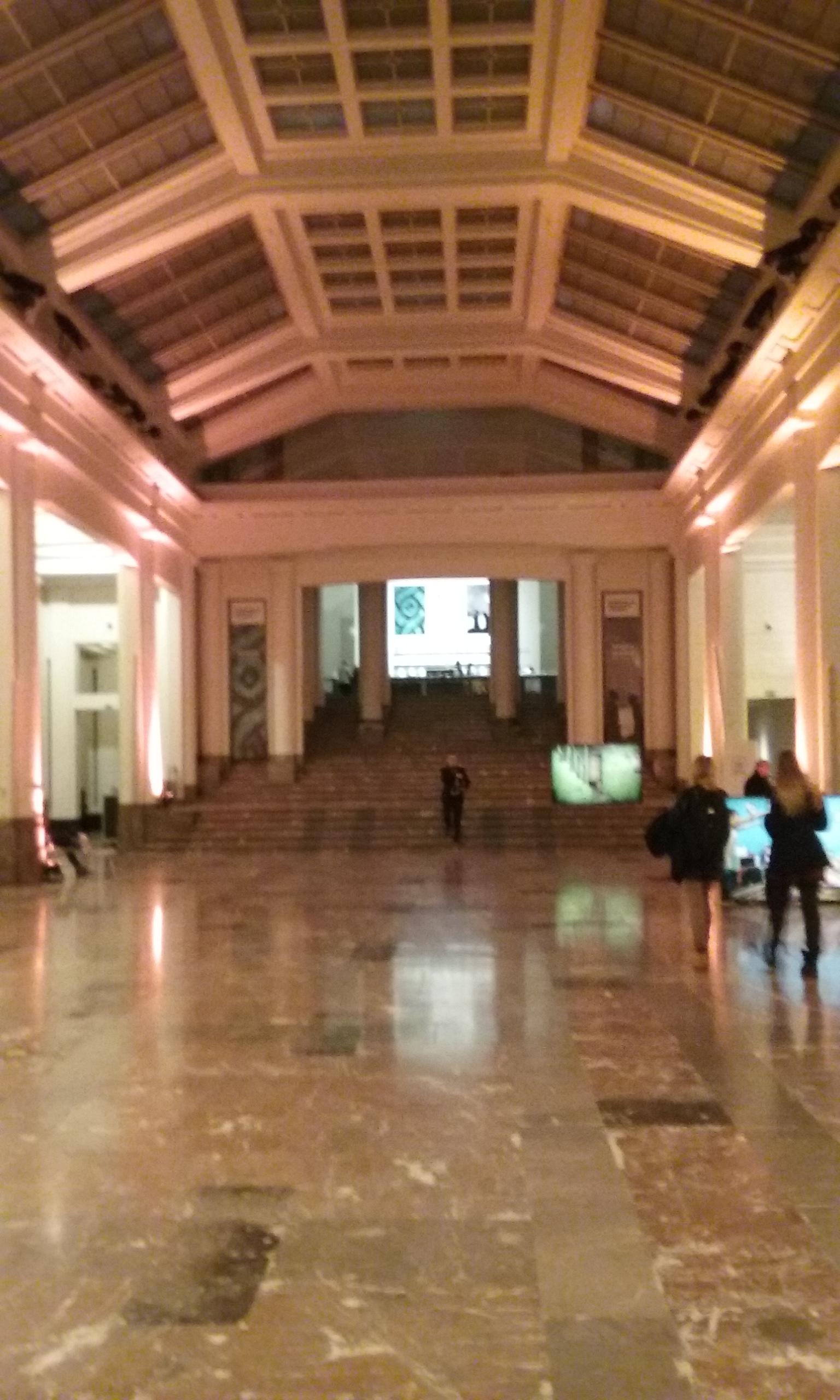
Brussels Cinematek Royale (23) Brussels Cinematek Royale (2) Brussels Cinematek Royale (3) Brussels Cinematek Royale (5) Brussels Cinematek Royale (6) Brussels Cinematek Royale (9) Brussels Cinematek Royale (14) Brussels Cinematek Royale (18) Brussels Cinematek Royale (19) Brussels Cinematek Royale (27) Brussels Cinematek Royale (37) Brussels Cinematek Royale (46) Brussels Cinematek Royale (48)

In Brussels everything is written in both Dutch and French to serve the two main communities. Flemish is spoken too of course. This is one of the older film archives, founded in 1938 and is government funded. The archive also screens films for various other venues and for festivals.

Amsterdam – Eye Film Institute

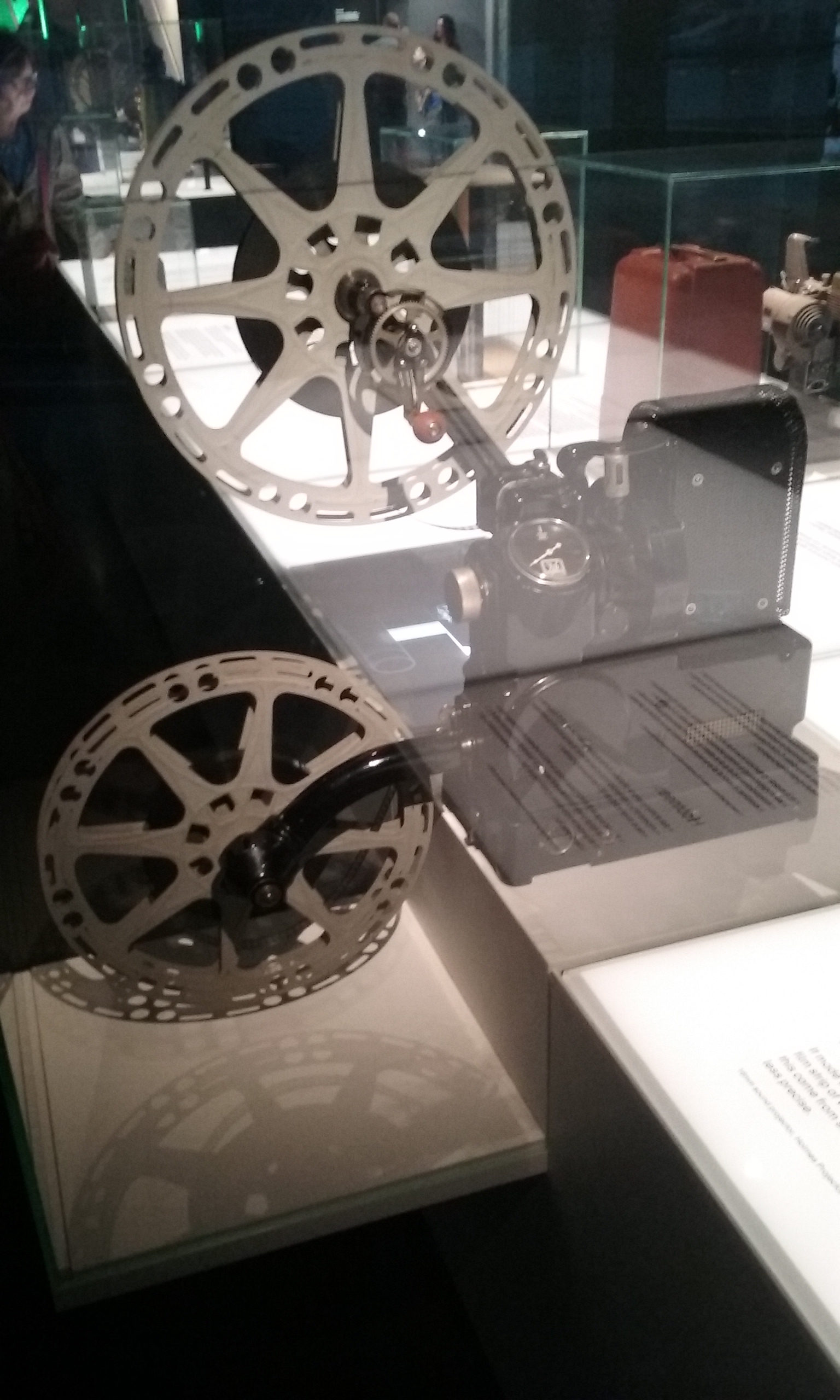
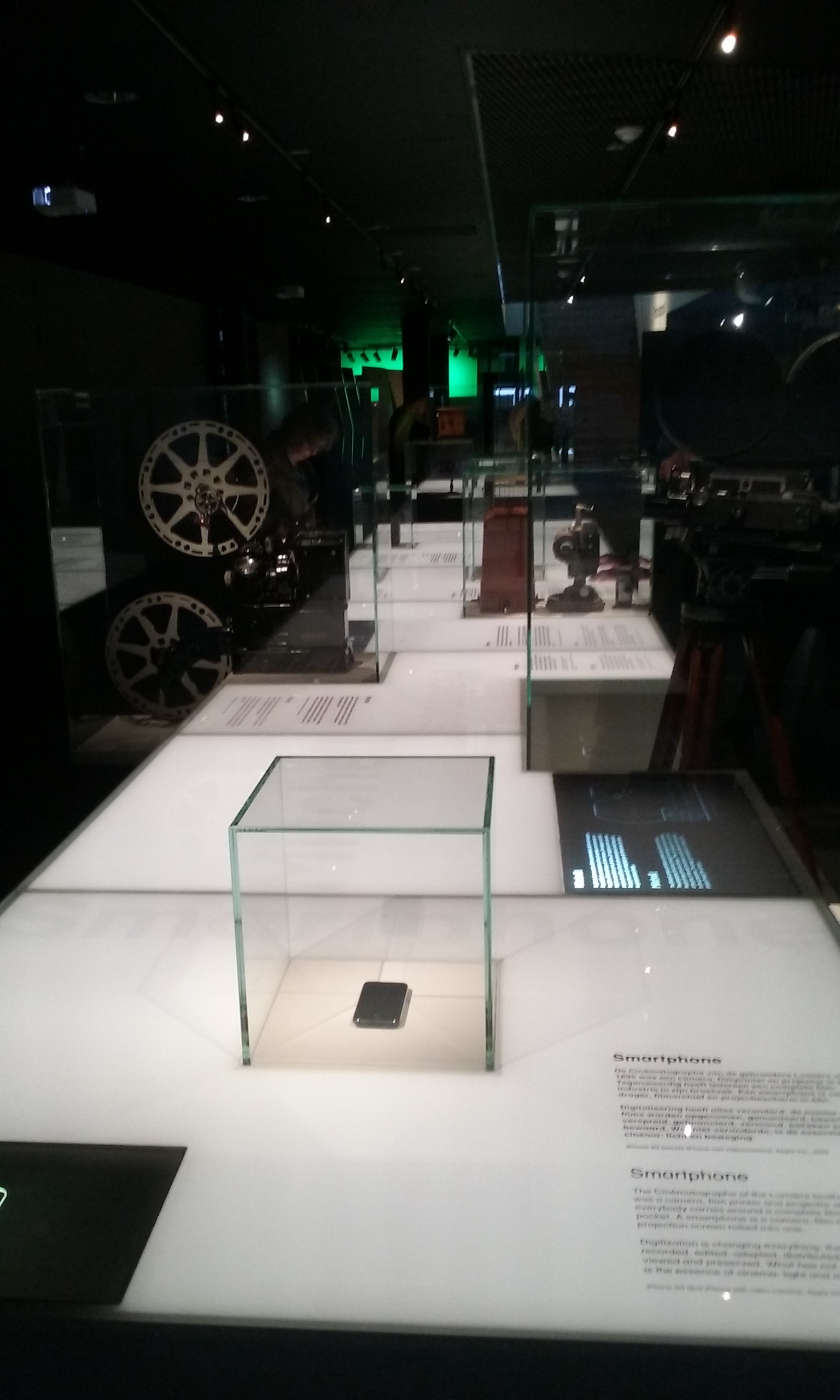
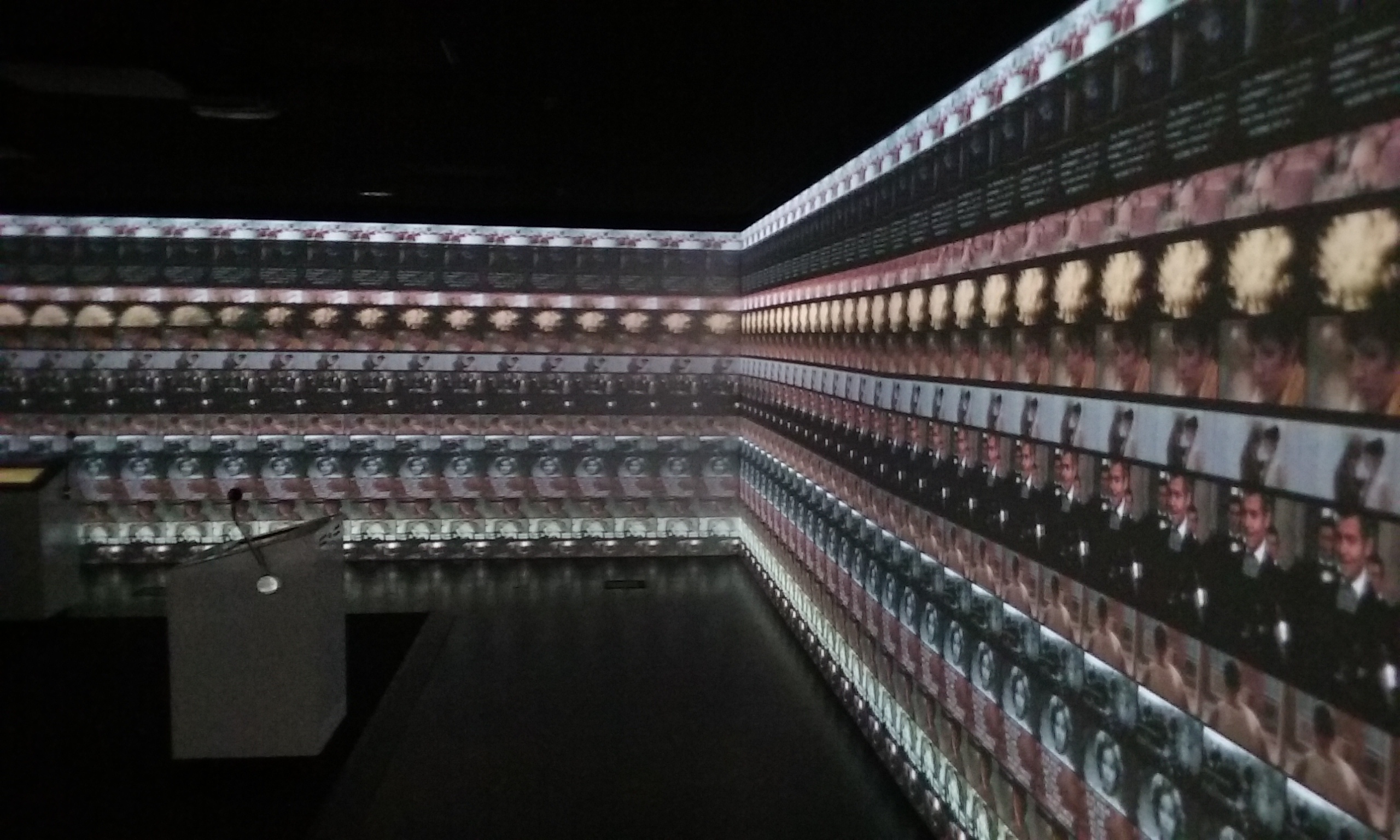
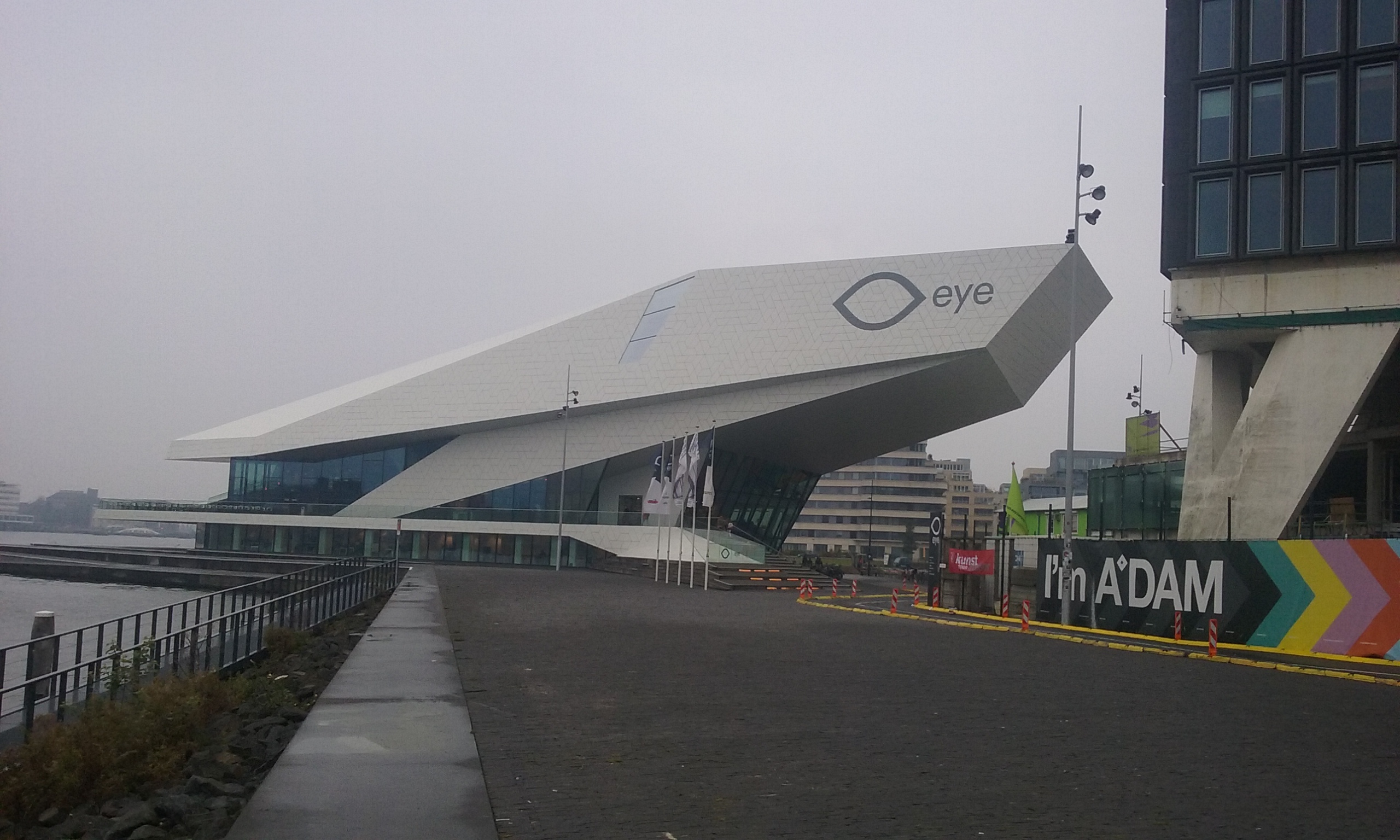
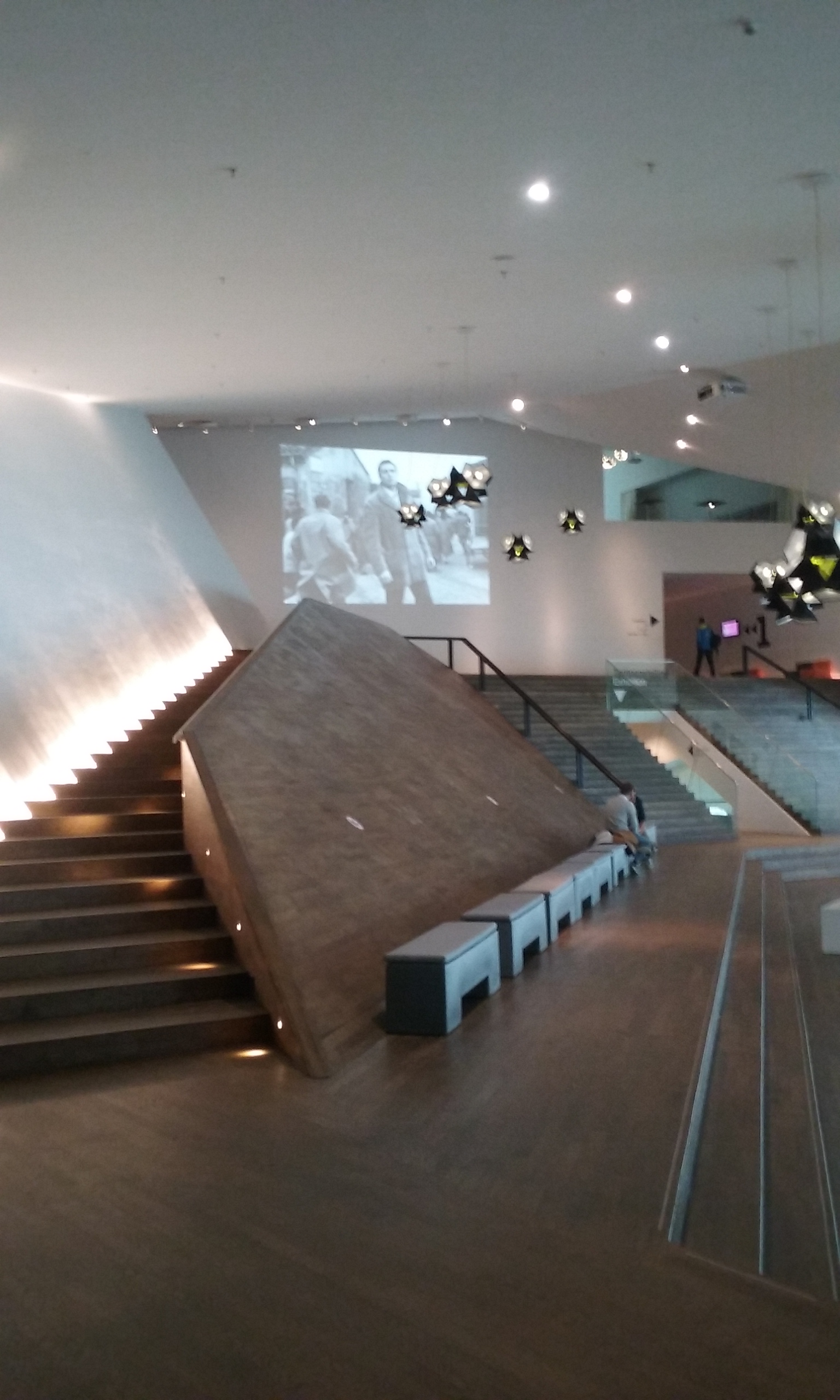
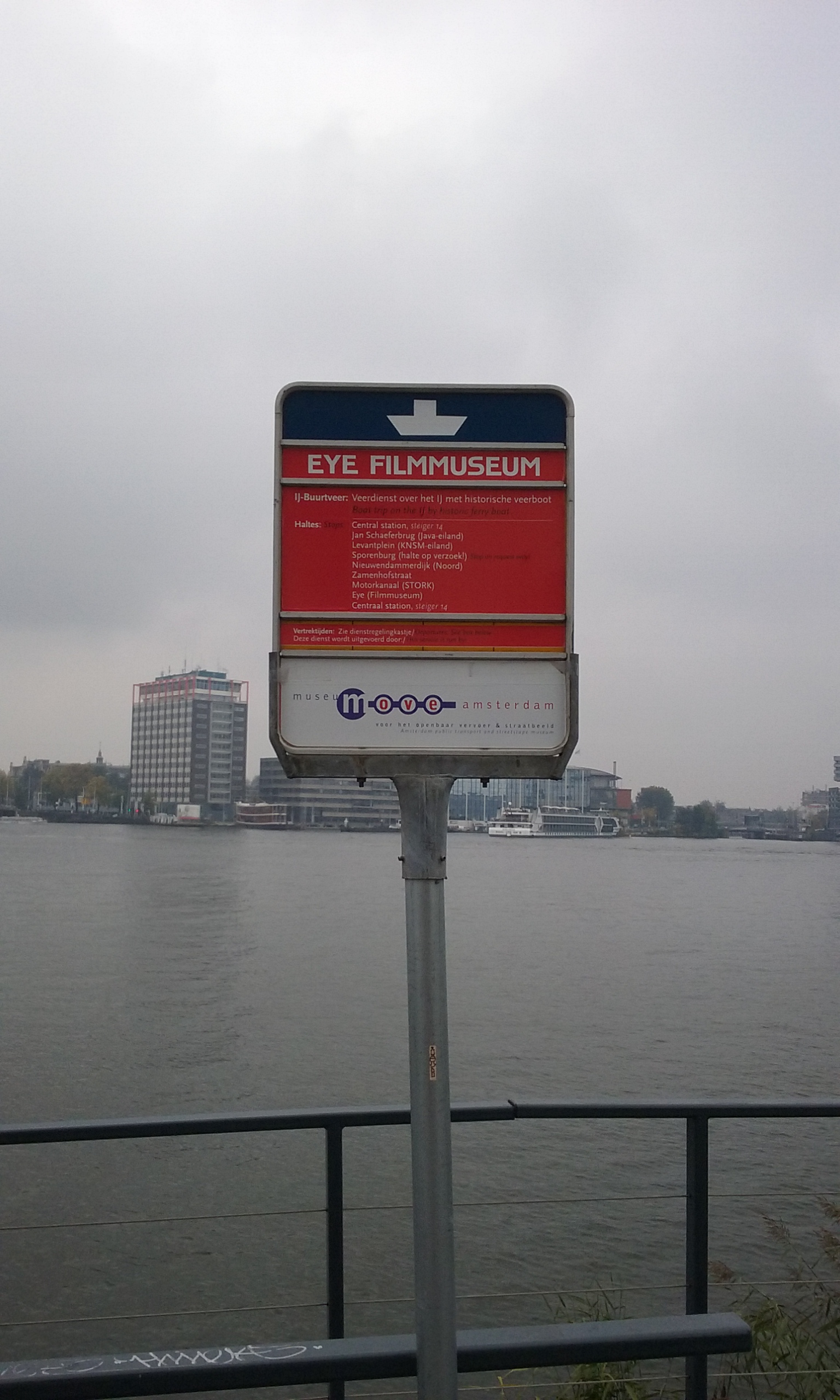
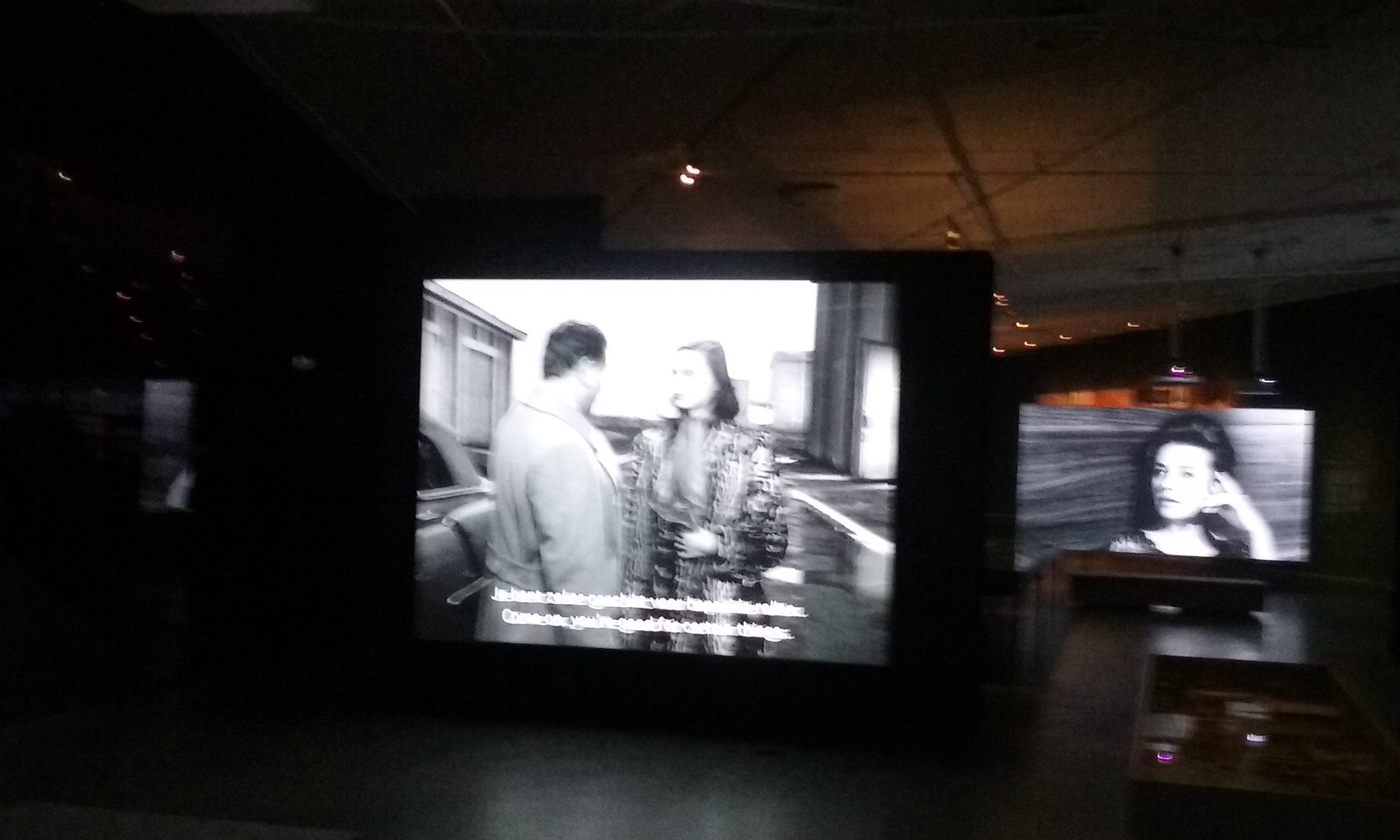
It’s difficult not to be really really enthusiastic about this archive. New and purpose built, just over the water from Amsterdam Central Train Station (free ferry ride too), the Eye Institute is amazing. The touring Antonioni exhibition was on when I visited. The Panorama permanent exhibition on film from nitrate to digital is excellent, the restaurant is wonderful and they have a great array of contemporary and archival films playing daily.

Amsterdam permanent exhibition on film history Panorama (14) Amsterdam permanent exhibition on film history Panorama (18) Amsterdam permanent exhibition on film history Panorama (21) Amsterdam permanent exhibition on film history Panorama (27) Amsterdam permanent exhibition on film history Panorama (31) Amsterdam permanent exhibition on film history Panorama (32)

Amsterdam Eye Institute Bookshop (20) Amsterdam Eye Institute Bookshop (21) Amsterdam Eye Institute exteriors (3) Amsterdam Eye Institute information film screenings (1) Amsterdam Eye Institute information film screenings (2) Amsterdam Eye Institute interior Amsterdam Eye Institute restaurant Amsterdam Eye Institute sign Amsterdam Eye Institute Antonioni exhibition (4) Amsterdam Eye Institute Antonioni exhibition (12) Amsterdam Eye Institute Antonioni exhibition (25) Amsterdam Eye Institute Antonioni exhibition (30) Amsterdam Eye Institute Antonioni exhibition (31) Amsterdam Eye Institute Antonioni exhibition (34) Amsterdam Eye Institute Antonioni exhibition (40) Amsterdam Eye Institute Antonioni exhibition (44)

European Film Archives Tour 2015 – first stop BERLIN

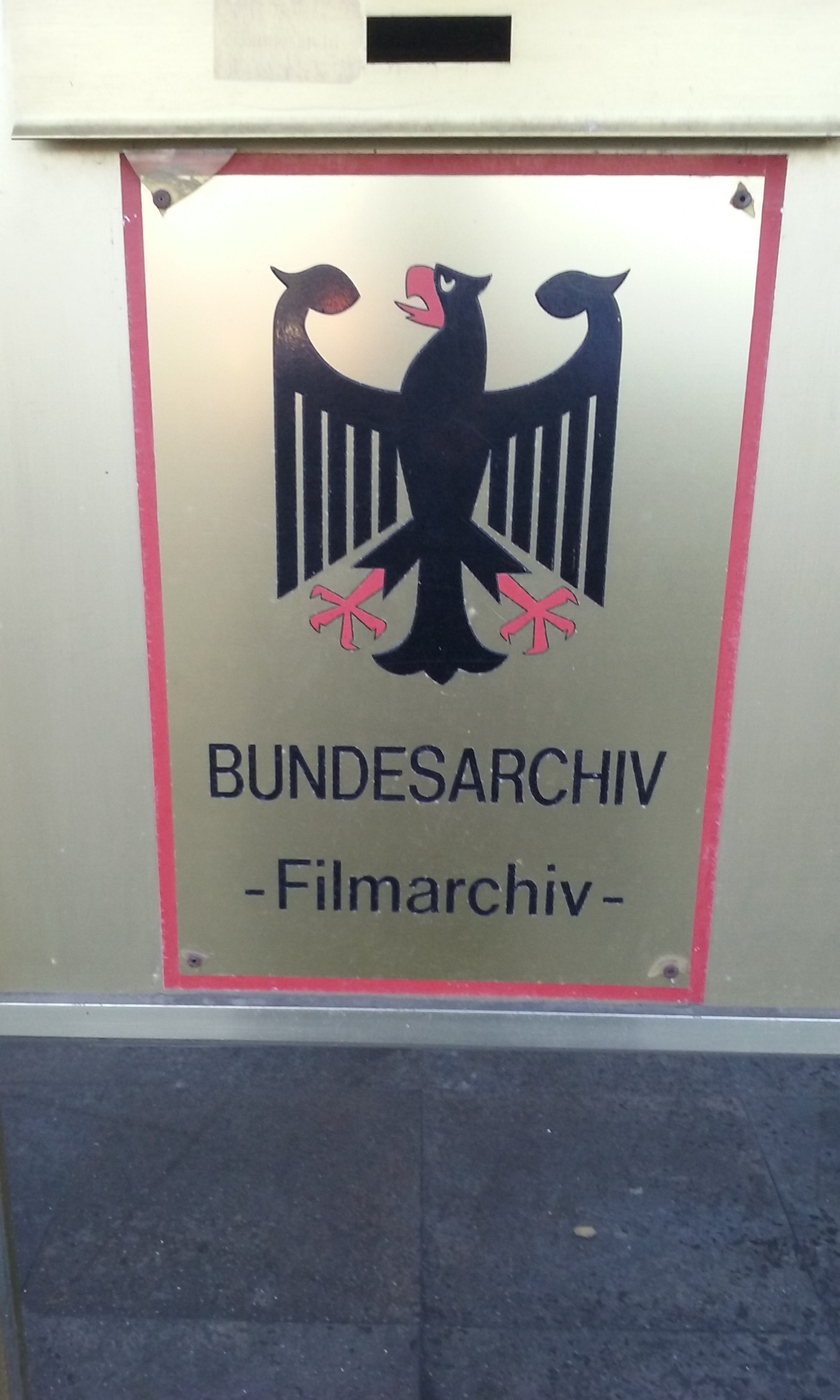
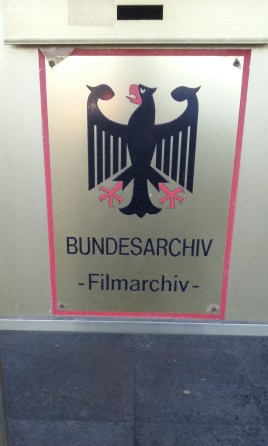
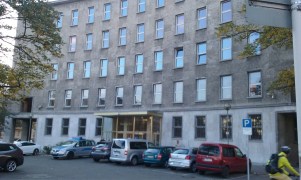
Berlin Film Archive Oct 2015 (2) Bundesarchiv, Fehrbelliner Platz 3

Bundesarchiv, Fehrbelliner Platz 3

My name is Emma Kelly and I’ve recently written a book on Jonathan Dennis, founding director of the Film Archive of New Zealand. The book was launched at Nga Taonga Sound and Vision on the 23rd September 2015, and the Northern Hemisphere book launch was at Le Giornate del Cinema Muto, the Pordenone Silent Film Festival in Italy on 6 October. The book is published by John Libbey and distributed by Indiana University Press. It’s called ‘The Adventures of Jonathan Dennis: Bicultural film archiving in Aotearoa New Zealand’ (2015) http://www.iupress.indiana.edu/product_info.php?products_id=807819.

Thanks to a lovely group of Jonathan Dennis’ friends, I’ve been able to travel to Europe for the launch and visit film archives in Berlin, Stockholm, Amsterdam, Brussels and Paris to see how they are similar and different to our own.

The Berlin Film Archive Bundesarchiv is of course interesting because in the early 1990s two very different archives amalgamated after the fall of the Berlin Wall. They had different collection policies and their focuses and goals varied. Today they have about 1 million titles, roughly a third of which are able to be viewed. They are a government archive and have, as you’d imagine, some pretty sensitive material related to the Nazi era and WWII which they endeavor to contextualise appropriately for audiences. About 500 new films are produced in Germany each year and they try to collect them all.

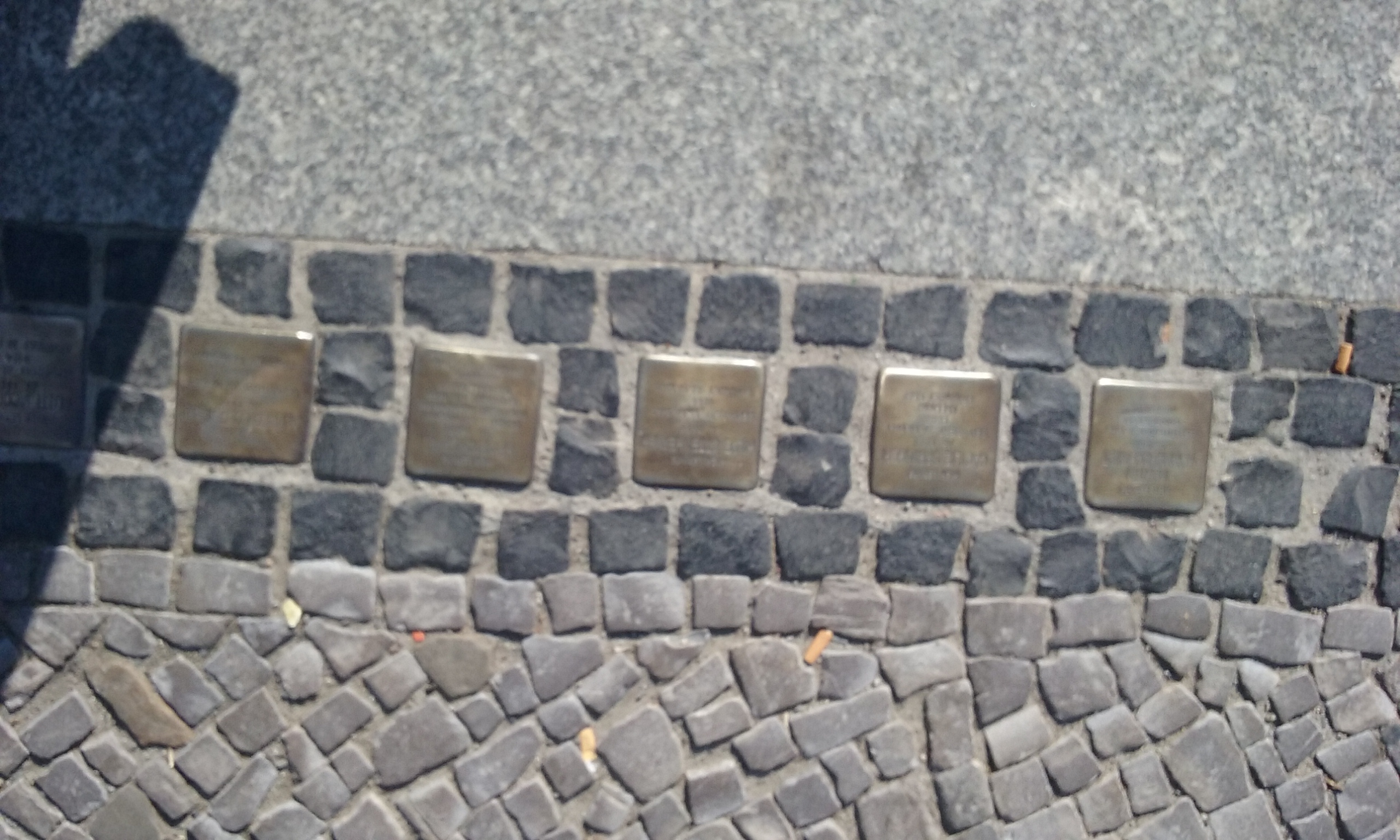
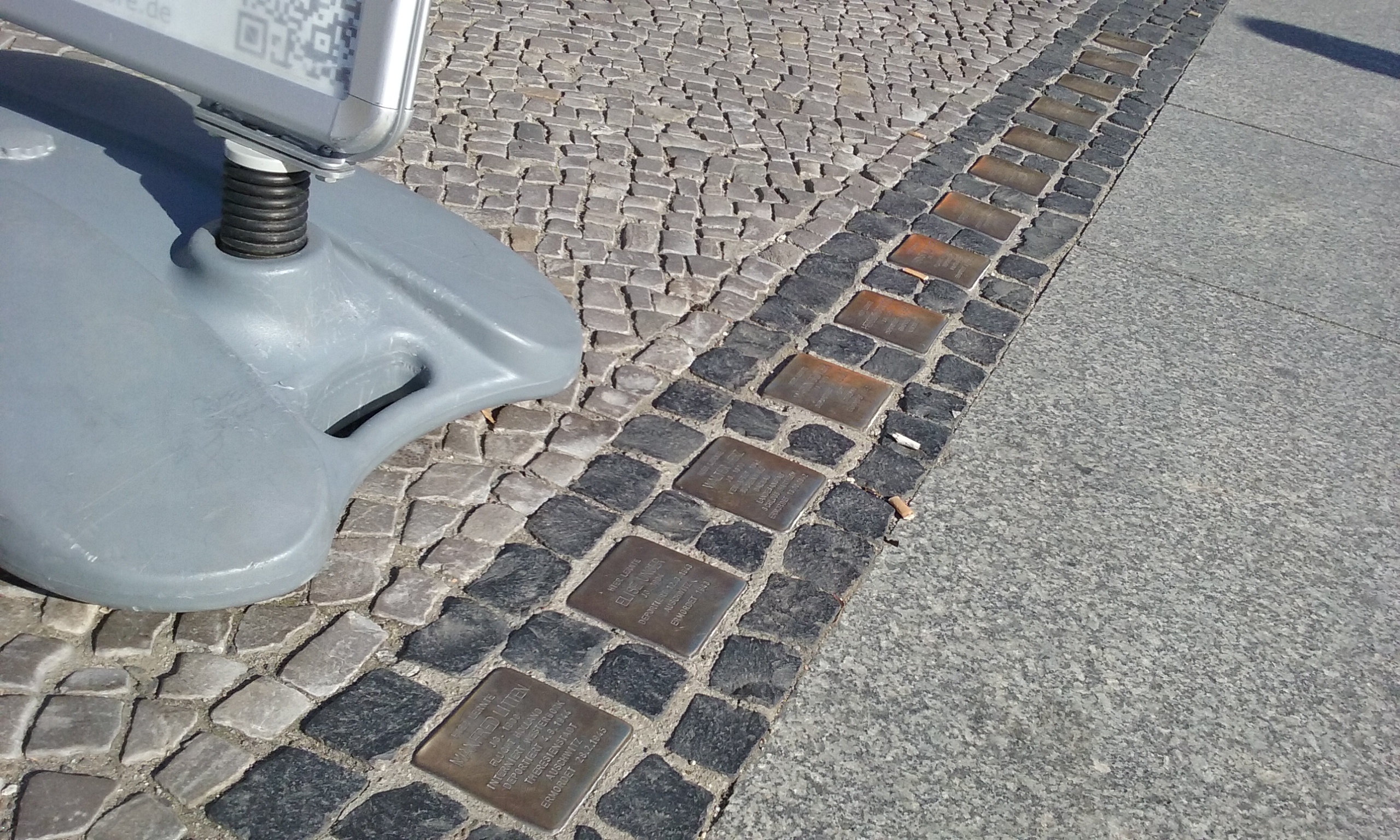
I am interested in the performance of the archive – how are materials in the archive remembered or forgotten based upon how they are treated by archivists? For this reason after I’ve visited the Archive I’ve gone to see some examples of the Stolpersteine which I’ve been told about by a friend. These are brass plaques in the pavement of Berlin streets which Gunter Demnig has created to remember those killed by the Nazis. Here are some outside the Humboldt University. They include the names of the students killed and where they were killed.

Stolperstein outside Humboldt University Museum Island http://www.stolpersteine.eu/en/

Stolperstein outside Humboldt University Museum Island http://www.stolpersteine.eu/en/

Berlin Museum Island (16)